Global Spread Of Casinos: How Gambling Became An International Phenomenon
Origins and Early Expansion
The concept of gambling dates back thousands of years with evidence of betting in ancient China and Rome. Organized gambling places called casinos as we know them emerged in Europe in the 17th century. In Venice, gambling houses were established for social entertainment, and one of the earliest official venues was created to regulate and control illegal betting. Over the centuries, gambling evolved from a pastime for elites into a structured industry. In France, games such as roulette and baccarat became staples of the casino experience and spread across Europe. In the United States, gambling became embedded in frontier culture before formal regulation and prohibition shaped its development. The legalization of casino gambling in Nevada in 1931 led to the birth of Las Vegas, which soon became synonymous with casinos and entertainment.
The Rise of Casino Capitals
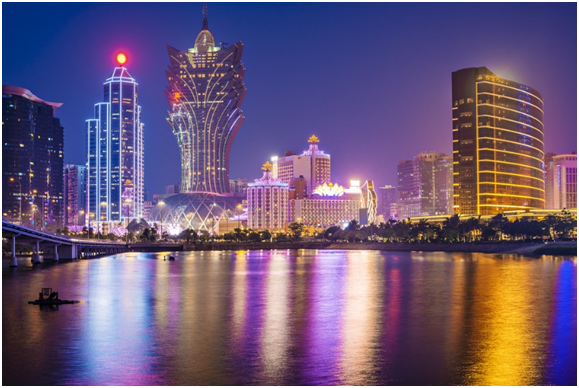
Las Vegas developed into the world’s most iconic casino destination through lavish integrated resorts and entertainment that attracted tourists globally. Its success inspired other regions to replicate the model. Atlantic City on the United States East Coast became another major gambling hub as states legalized casino gaming in the 1970s. In Asia, the special administrative region of Macau became known as the largest gambling center in the world, surpassing Las Vegas in gaming revenue. Gambling tourism in Macau represents a major economic pillar, with gaming taxes forming a substantial portion of government revenue. Singapore emerged as a major gaming destination with world‑class integrated resorts that blended tourism with gambling.


Rapid Expansion Worldwide
Casinos have spread far beyond traditional centers. In the early 2000s, only a limited number of jurisdictions permitted casino gambling. By the 2020s the number of licensed casinos globally has grown dramatically with thousands of venues operating across continents. Between 2000 and 2025, data tracking licensed casinos shows dramatic growth in all global regions with the number increasing from about 1,200 worldwide to well over 4,000. Asia and Europe saw especially large increases in the number of casinos and regulated gambling venues. The total number of land‑based casinos in operation globally reached nearly 4,800 as of 2023 according to market research, with the United States hosting the most with over 2,100 casinos. Serbia, Romania, Czech Republic, Italy, Spain and the United Kingdom also rank among countries with large casino footprints, illustrating broad geographic adoption.
Market Size and Economic Impact
The global casino and gambling industry has become one of the largest entertainment markets in the world. Worldwide gross gaming revenue exceeded an estimated 540 billion in 2023 with strong year‑over‑year growth driven by both land‑based and online segments. Global online gambling revenue accounted for nearly 95 billion of that total, showing robust expansion of digital gaming. Gaming markets differ by region.
Asia‑Pacific accounts for the largest share of global revenue led by Macau and Singapore. Europe and North America follow with significant gambling activity across casinos, sports betting, lotteries and online platforms. Latin America and Africa have smaller but fast‑growing gambling markets with Brazil and South Africa among key contributors. Casinos also generate substantial tax revenue and support related industries such as hospitality and tourism. For example casinos in the United States generated over 60 billion in in‑person gaming revenue in recent years, with additional billions from online and sports betting.
Technological Innovation and Online Gambling
The evolution of gambling accelerated with the advent of internet technology. The first online casino platforms emerged in the mid‑1990s and since then digital gambling has become a major industry segment. Online casinos offer thousands of games including slots, table games and live dealer experiences accessible from mobile and desktop devices. Mobile betting and digital platforms have expanded gambling beyond physical venues to reach billions of users worldwide. Live dealer streaming, virtual reality experiences and blockchain‑based betting are pushing the industry into new frontiers, making gambling accessible regardless of physical location.
Social and Cultural Effects
Gambling is woven into the cultural fabric of many societies. In some countries gambling participation rates are high, with millions engaging in betting on lotteries, sports and casino games as part of entertainment. Australians, for example, placed hundreds of billions in bets in a single year across various forms of gambling. While gambling drives tourism and economic activity, concerns about social impact have increased. Public health reports warn of high numbers of people experiencing negative effects that include financial strain and addiction. Growth in online gambling accessible by smartphones has intensified these concerns, with experts calling for responsible regulation and protective measures for vulnerable populations.
How Governments and Corporations Shape the Industry
Governments regulate gambling in varied ways. Some maintain state monopolies on casinos and lotteries, others license private operators with strict rules. Revenue from regulated gambling supports public finances in many countries. Multinational casino operators now run hundreds of casinos across continents, creating global brands in land‑based and online gaming sectors. Regulatory frameworks differ widely, from strict controls in some countries to liberal licensing regimes in others. Public debate often centers on balancing economic benefits with social responsibility and ethical concerns.
Real Actions and Trends
Practical steps in the global gambling industry include expansion of regulatory systems to oversee online platforms, implementation of responsible gambling programs to reduce addiction, and deployment of technologies to detect fraud and ensure fair play. Casinos also invest in hospitality and entertainment, integrating concerts, fine dining and luxury experiences to attract a broader customer base. Emerging trends include the use of artificial intelligence for personalized gaming experiences, cashless casino floors, and further growth of mobile wagering. Nations exploring new casino markets, such as Thailand planning major regulated casino complexes, reflect ongoing global interest in gambling as an economic tool.
The Future of Global Casino Gambling
The global gambling industry is projected to continue expanding. Increasing internet access, regulatory liberalization, and innovation in digital gaming are expected to drive growth. Market projections suggest the total addressable gambling market could exceed 700 billion in the latter 2020s with continued growth in online and mobile gaming. At the same time, industry stakeholders face challenges including rising calls for stronger consumer protection, tighter regulations, and addressing social and health consequences of gambling. Balancing these factors will shape the next phase of the global spread of casinos and gambling activities.