The Impact Of Innovation On Modern Casinos
The casino industry has experienced a profound transformation in recent years as technological advancements have reshaped everything from how games are played to how casinos interact with customers. Technology has expanded the industry from traditional land‑based venues to dynamic global platforms that operate around the clock, deliver personalized experiences, and generate record revenues in multiple sectors of gambling. The rise of modern casinos is not only defined by flashy digital interfaces and immersive gaming, but by deep innovations that touch player engagement, security, financial systems, analytics, and operational efficiency.

The Shift from Brick‑and‑Mortar to Digital Platforms
Modern casinos no longer rely solely on floors filled with slot machines and card tables. The rapid growth of online casinos has expanded access to millions of players worldwide. Smartphone apps and responsive websites mean players can spin slots, place bets, and join live games from almost any location with internet access. Live dealer games using high definition video streaming recreate the social experience of a physical casino, with players interacting in real time with professional dealers from remote studios. This shift has also increased competitiveness in the global gambling market. Online sectors such as iGaming and sports betting have seen double‑digit year‑over‑year growth, contributing billions in revenue alongside traditional casinos. In the United States, commercial casinos were projected to generate over sixty four billion in annual revenue, with online gaming accounting for a large share of that growth.
Artifical Intelligence and Data Analytics Enhancing User Experience
One of the most impactful technological changes in modern casinos is the integration of artificial intelligence and machine learning. AI systems analyze millions of pieces of player data in real time to personalize game suggestions, loyalty rewards, and marketing promotions based on individual player behavior and preferences. These systems can also optimize game difficulty, predict when players might disengage, and automatically adjust experiences to retain engagement. AI‑driven customer support systems such as chatbots handle a significant portion of inquiries in online casinos, providing 24‑hour assistance without human staff. Predictive analytics not only increase engagement and retention, but also improve operational decisions such as table management and promotional timing.
Immersive Technologies: VR and AR in Casino Gaming
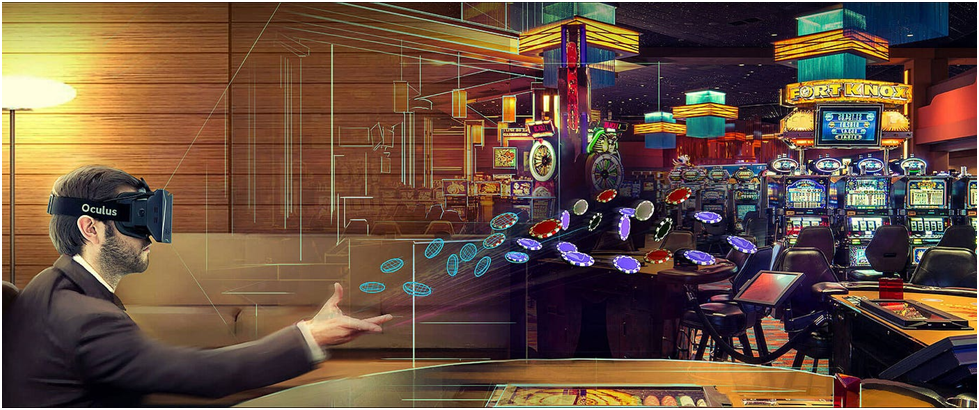
Virtual reality and augmented reality technologies represent the next frontier in casino experiences. VR headsets place players inside fully interactive casino environments where they can walk through digital floors, sit at tables, toss virtual dice, and interact with other players via avatars. These experiences aim to mirror the social and sensory experience of land‑based casinos while adding creative features only possible in immersive digital worlds. Augmented reality overlays digital information into the real world. For example, AR can highlight live game odds or player stats in a player’s view, merging physical and digital gaming in new ways. These technologies are still early in adoption but are poised to become a core dimension of high‑end digital gambling experiences.
Security, Fairness, and Transparency Through Blockchain
To address trust concerns within online gambling, many operators have adopted blockchain and cryptocurrency technologies. Blockchain records every transaction on a secure and immutable ledger, meaning deposits, game outcomes, and payouts can be independently verified by players. This form of transparency enhances trust between players and gaming platforms. Cryptocurrencies such as Bitcoin and Ethereum enable fast, low‑fee, and secure transactions without intermediaries. Some casinos also implement smart contracts that automatically execute payouts or write game outcomes into immutable records, further strengthening fairness and reducing the potential for tampering.
Mobile Gaming and Cloud Infrastructure
Mobile devices have become the most common channel for online gambling. Modern casino platforms are optimized for play on phones and tablets, and many offer dedicated apps that support seamless gameplay and instant access to a wide variety of games. The use of cloud infrastructure means high performance is maintained regardless of player location, and casinos can scale services during peak traffic periods without hardware limitations.
Advanced Security Systems and Responsible Gaming Tools
Technology improves not only gameplay but also safety and regulatory compliance. Advanced encryption protocols protect player data, secure financial transactions, and safeguard personal information. In physical casinos, systems like facial recognition monitor behavior for security threats and potential cheating. In online environments, responsible gaming tools allow players to set limits, monitor playtime, and self‑exclude to promote healthier habits.
Real World Examples
Some leading casino brands have adopted cutting edge technologies ahead of competitors. Casinos have experimented with software that detects cheating at table games using sensor and video feeds. Live dealer platforms from major studios bring real dealers to online tables around the clock. VR casino games and environments have been piloted by forward‑thinking operators to attract players looking for next‑generation experiences. Digital transformation units within major casino companies manage mobile services, loyalty integrations, and personalized campaigns driven by analytics tools.
Looking Ahead
The future of casinos lies in blending technology with human experiences to create engaging, safe, and personalized gaming ecosystems. Continued breakthroughs in AI personalization, immersive worlds, real‑time analytics, and secure financial systems are expected to drive further growth. As technology continues to evolve, casinos will adapt to meet player expectations and regulatory demands while pushing the boundaries of interactive entertainment.