The Birth Of Gambling In The Ancient World: A History Of Chance, Culture, And Civilization
Early Origins: Humans, Chance, and Risk
Gambling is not a modern phenomenon. Long before casinos, chips, or legal regulations, humans turned uncertainty into games of risk and reward. The simplest form of gambling, risking something of value on an outcome they could not control, dates back thousands of years and is rooted deeply in early human behavior and belief systems. This impulse to test fate is foundational to many ancient cultures and appears in both material evidence and early written records.

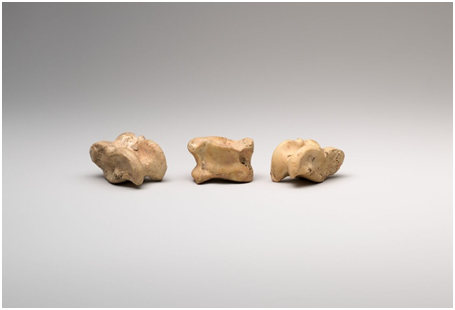
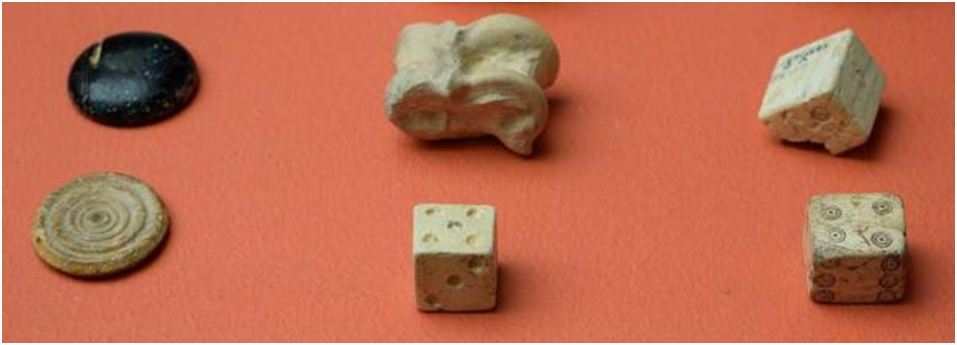
The Earliest Physical Evidence of Chance Tools Astragali and Knucklebones
Some of the oldest artifacts associated with gambling are animal ankle bones, known as astragali. These talus bones from sheep, goats, and other hooved animals were naturally four sided and served as primitive dice like objects used in games of chance and divination. The frequency of astragali in excavations from multiple ancient cultures shows they were more than food refuse. They were tools for play and predicting fate. Archaeologists have found astragali dating back to at least 5000 BCE in sites across Mesopotamia, Egypt, Greece, and beyond. This indicates that these tools were part of daily life for millennia.
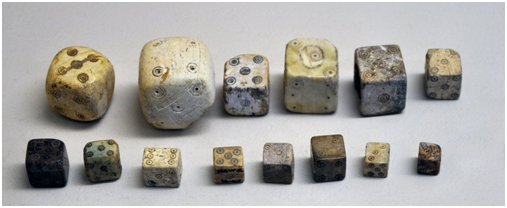
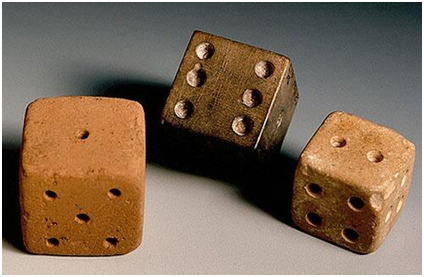
First Crafted Dice
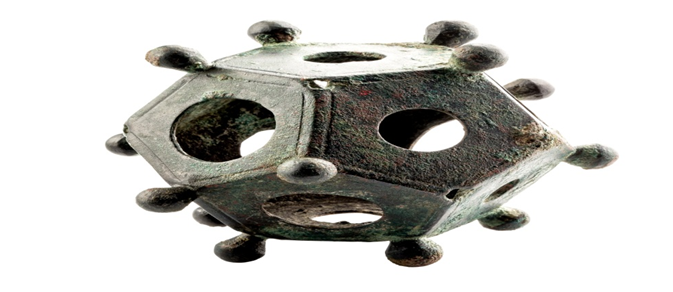
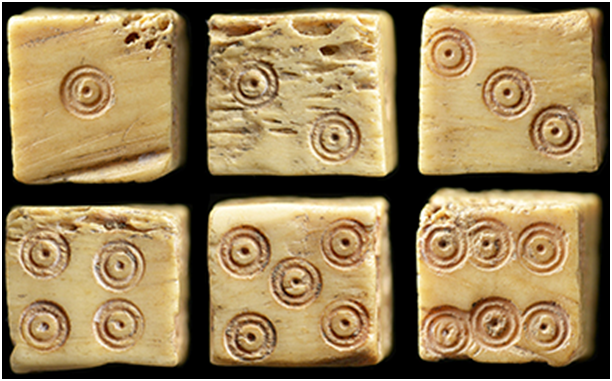
Early humans refined astragali into more controlled tools known as crafted dice. The oldest six sided dice discovered archaeologically date back to around 3000 BCE in Mesopotamia, which is modern Iraq. They were made from bone, stone, or clay. These dice show deliberate shaping and marking, which is evidence of systematic play and structured outcomes. Terracotta and bone dice from the Indus Valley Civilization, dated between 2600 and 1900 BCE, also reveal early sophistication. Some featured markings where opposite faces added up to seven, a convention still used in modern dice.
Games of Chance Across Ancient Civilizations Mesopotamia: Tablets, Dice, and Risk
The cities of ancient Mesopotamia were among the first to leave material evidence of structured gambling. The Royal Game of Ur, found in tombs dating to around 2600 to 2400 BCE, was a board game that used throw sticks or primitive dice. It likely involved wagering between players. These early games were not merely entertainment. They reflected societal engagement with risk, luck, and structured play.
Ancient Egypt: Senet and Social Stakes
Egyptian tombs contain gaming artifacts dating as far back as 3100 BCE, including boards and throw sticks used in a manner similar to dice. Senet, one of the oldest known board games, had elements of chance and may have been played for social or ritual purposes. In some cases, wagers may have been attached to outcomes. Historical evidence also shows that ancient Egyptian authorities imposed punishments for excessive gambling. This suggests that gambling was common enough to require regulation.
China: Early Lotteries and Organized Gambling
In ancient China, forms of gambling appeared by approximately 2300 BCE. These included games using tiles or number draws that resemble primitive lottery systems similar to modern keno. Some historians believe proceeds from such games helped fund major public works. Archaeological finds include discarded gaming pieces and written records that describe betting on athletic contests and competitive events. This demonstrates that gambling had already evolved beyond informal play into organized activity.
Greece and Rome: Festival Betting and Structured Play
Gambling in ancient Greece was widespread. Astragali were used in betting games, and wagers were placed on athletic competitions. Some city states attempted to ban gambling due to social concerns, which indicates how common it had become. In Rome, gambling flourished despite periodic legal restrictions. Dice games known as tali and tesserae were played in taverns, homes, and military camps. Archaeologists have found dice in Pompeii that show signs of weighting or alteration, which suggests early cheating practices. During festivals such as Saturnalia, restrictions on gambling were temporarily lifted. This allowed public betting and widespread participation, further embedding gambling into Roman social life.
Gambling and Belief Systems
In many early societies, games of chance were closely connected to spiritual practice. Casting lots or throwing knucklebones was sometimes used to seek divine guidance. Outcomes were interpreted as messages from higher powers. What modern players understand as probability was often viewed as destiny or divine will in ancient times. This blending of belief and gambling shaped how communities viewed risk and reward.
Early Lessons About Risk and Advantage
Even without formal mathematics, early gamblers recognized patterns. They observed that those who controlled the tools or organized the game often had an advantage. When someone sets the rules and manages the equipment, the balance can shift in their favor. This principle continues today. While ancient operators relied on physical control, modern casinos rely on statistical models and probability design. The concept remains consistent across time.
Real Archaeological Discoveries That Changed Understanding
At Maresha in Israel, archaeologists uncovered more than 500 astragali bones in Hellenistic caves. Many were inscribed with symbols or short phrases, which suggests they were used in both games and divination rituals. In Pompeii, ivory dice were found in domestic and commercial spaces. Some displayed uneven weighting, providing physical proof that manipulation of outcomes existed even in ancient times. Excavations in the Indus Valley have revealed carefully shaped terracotta dice with standardized markings. These discoveries confirm that people in South Asia were engaging in structured games of chance over four thousand years ago.
Why Ancient Gambling Still Matters
Studying early gambling practices is not about nostalgia. It provides insight into consistent human behavior across civilizations. People have always been drawn to uncertainty. The thrill of possible reward, the social bonding around shared risk, and the emotional highs and lows are not modern inventions. They are deeply rooted patterns. Archaeological artifacts, from carved bones to precision shaped dice, confirm that gambling evolved alongside trade networks, urban development, and organized society. As civilizations became more complex, so did their games. The foundation, however, remained unchanged. Risk something of value.
Accept the outcome. Learn from the result. When you understand the ancient origins of gambling, you gain perspective. The emotional swing of winning and losing has existed for thousands of years. The advantage held by organizers has always been present. The attraction to chance has never disappeared. From carved bones thrown in the dust of early settlements to modern gaming tables, the core structure of gambling has remained consistent. The evidence is clear. Gambling is woven into human history and has followed civilization from its earliest stages to the modern world without losing its fundamental nature.