How Casino Games Evolved Into The Classics We Know Today
Introduction
Casino games have been a part of human entertainment for centuries and continue to evolve with cultural shifts, technology, and player preferences. The story of these games is intertwined with global history, human psychology, and technological innovation. Gambling and games of chance date back to ancient civilizations where dice, betting, and simple wagers were widespread.
Archaeological evidence suggests that gaming activities existed in ancient China and Rome, and were regulated in sacred texts. The rise of regulated casinos in Italy and France in the 17th and 18th centuries formalized many games that are still played today, from roulette to blackjack to poker. The transition from brick‑and‑mortar establishments to the digital casino environment has transformed how and where people play, making these classic games globally accessible.
The Origins of Classic Games Roulette: The Little Wheel Turned Big
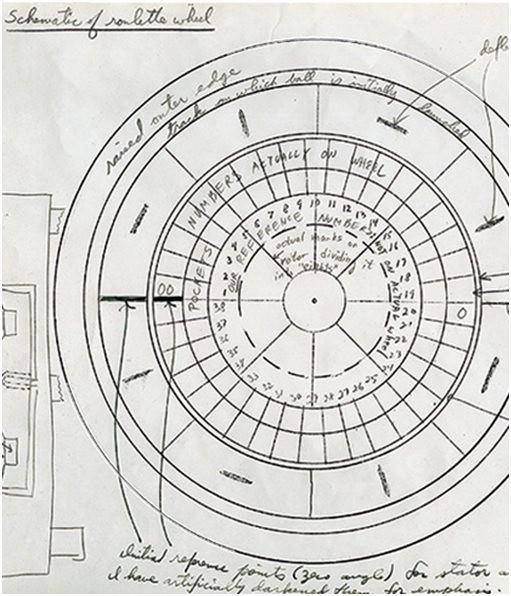
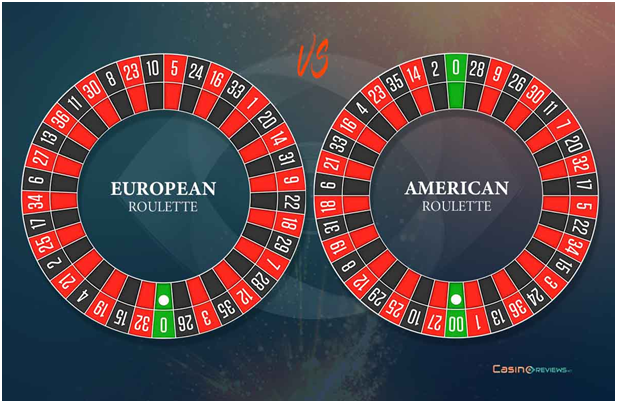
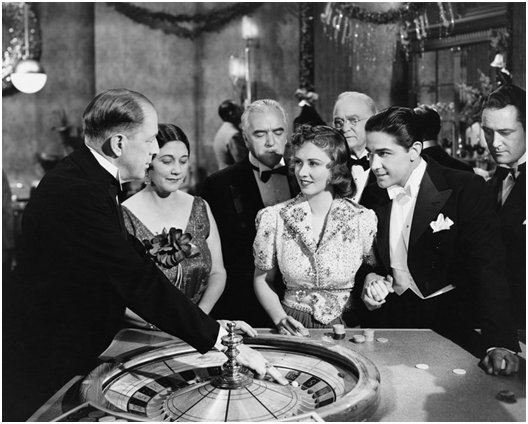
Roulette emerged in 18th century France and is often credited to creative adaptations of existing gaming wheels. Early versions were mechanical curiosities rather than casino features. The classic wheel first appeared with both a single zero and double zero, then evolved as a game of chance where players bet on where a ball would land on a spinning wheel. Variants emerged over time, including the European Roulette with a single zero and the American Roulette with both single and double zeros, which increased the house edge and transformed player strategy. 4 Roulette became symbolic of casino culture, from lavish French salons to modern live gaming rooms and online platforms. The simplicity of betting on colours, numbers, or groups of numbers helped the game spread internationally.
Blackjack: Strategy and History in Twenty‑One
Blackjack traces its roots to the 17th century French card game vingt‑et‑un, meaning “twenty‑one.” This game was played in French casinos and aristocratic circles before spreading to America. Blackjack was later popularized in the United States through special bonus payouts that included the “black jack” combination that gave the game its modern name. 4 In the 20th century, statistical analysis and strategy innovations such as Basic Strategy significantly altered how players approached the game, making strategy a central aspect of play.


Poker: From Poque to Global Card Rooms
Poker evolved from early European gambling games. The French game poque and similar versions travelled across the Atlantic in the early 19th century. In the United States, the game developed into various forms, including the widely popular Texas hold ’em. This version of poker gained immense popularity due to televised tournaments and online gaming, fueling international interest and competitive events.

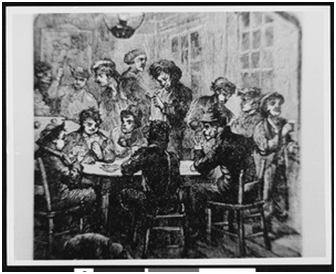

Poker’s evolution includes the rise of competitive tournaments like the World Series of Poker, which turned skill‑based play into professional competition and global broadcasting spectacles.
The Slot Machine Revolution
The first true slot machine was the Liberty Bell invented in the United States in 1895. This mechanical device featured spinning reels and simple symbols such as horseshoes and bells. Its popularity in saloons and pubs paved the way for the modern slot industry.
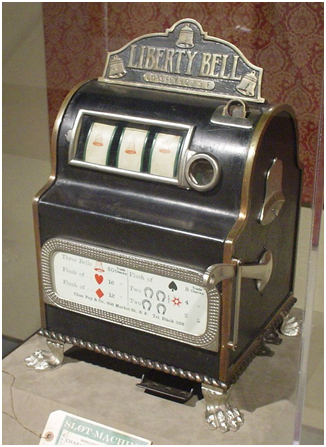

Over time slot machines evolved through electromechanical versions and later digital video slots with advanced graphics and bonus features. The transition to online gaming expanded slots’ reach to millions worldwide.
Other Classic Table Games
Games like craps evolved from older dice games such as hazard, adapting rules for faster play and broader popularity. Baccarat evolved in Europe, becoming a staple in high‑stakes rooms and generating vast revenues especially in Asian casino markets.
Modern Transformation: Live and Online Casinos
Casino technology advanced significantly with the introduction of live dealer casino games and online platforms. Digital streaming and interactive play let players experience table games in real time from remote studios. Software platforms specialize in live versions of roulette, blackjack, baccarat, poker and newer game show‑styled formats that blend entertainment and chance.


4 Growth, Market Reach, and Statistics
Casino games remain a significant part of both land‑based and online entertainment industries. In the United States in 2025, traditional casino gaming revenue reached record levels, driven by slots and table games. Statistically, slots alone generated over $37 billion in one year, showing the massive economic impact of classic games. Online gambling markets continue to expand rapidly, with mobile platforms accounting for more than half of online revenue, reflecting how modern audiences engage with classic games digitally. Today, millions of people around the world engage with classic casino games, whether through land‑based casinos in entertainment hubs or via mobile and online platforms that make these games accessible anywhere.
Conclusion
The evolution of casino games from informal wagers and simple mechanical devices to sophisticated digital experiences tells a story of innovation, cultural exchange, and adaptation. Classic games like roulette and blackjack have persisted because they combine chance, excitement, and strategy. As technology continues to evolve, these games will likely adapt further, keeping the timeless appeal of casino gaming alive across generations.