The History And Etiquette Of Casinos Around The World
Casinos did not spring up overnight as modern entertainment complexes. The culture around wagering stretches back thousands of years. Early evidence of gambling dates back to ancient civilizations where bone knucklebones and carved tiles were used in games of chance and divination. This reflected early human fascination with uncertainty and luck that today still underpins casino culture around the world.
In the 17th century in Italy, public gaming houses known as casinos began to emerge, especially in Venice where the Ridotto was established as one of the first sanctioned gambling venues. These early casinos served social elites, offering structured games of chance with evolving rules. Over time, these establishments reflected the social values and norms of their region, shaping how people interacted within gaming spaces. As casinos spread through Europe, sophisticated games such as roulette and baccarat became synonymous with continental culture and sophistication.
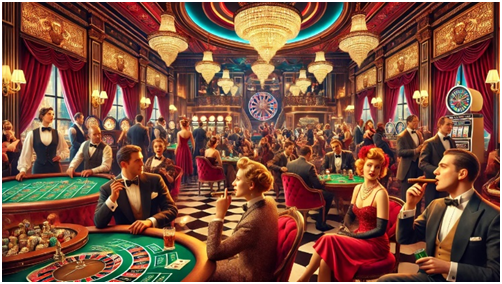
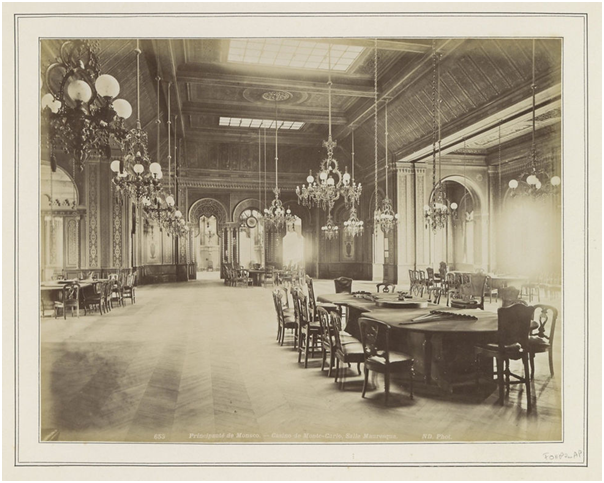
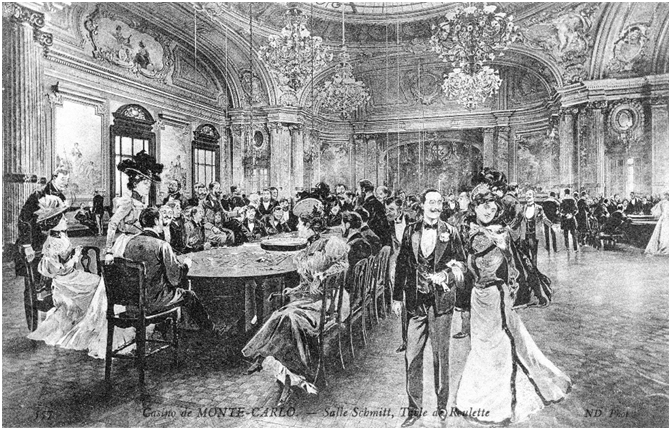
In Monte Carlo, for example, patrons in the late 19th and early 20th century quietly placed wagers at ornate tables in hushed rooms designed to resemble elegant salons rather than chaotic gaming halls. The architecture and layout were intended not merely for gambling, but as leisure spaces where social interaction was part of the experience. Roulette itself evolved through centuries. The wheel’s design and rules changed from early European forms to the versions that dominated American and European casinos. Players gathered around spinning wheels, analyzing odds and watching the results unfold as part of the social drama inherent in chance.
The Expansion of Casino Culture in the Modern Era
The 20th century saw dramatic expansion of casinos as cultural institutions. In the United States, cities such as Las Vegas transformed from desert outposts into global entertainment destinations built around casino resorts, live shows, and hospitality. Casino culture became popularized by film, music, and celebrity entertainers who performed in these venues, thus ingraining gambling motifs into global pop culture.
The design of modern casinos also reflects psychological insights into human behavior, such as removing clocks and windows to encourage longer stays, using lighting and sound to create stimulating environments, and arranging games to maximize player engagement. The layout and atmosphere become part of the culture that surrounds gambling itself. Beyond Vegas, international casino hubs such as Macau in China and Atlantic City in the United States further diversified casino culture. These regions adapted games and etiquette to local customs while blending global influences.
Cultural Norms and Differences
Casino etiquette varies widely across regions but universally emphasizes respect for staff, fellow players, and the games themselves. In Europe, many casinos maintain stricter dress expectations, requiring patrons in some areas to dress formally even for weekday play. In contrast, many North American casinos allow casual attire while softening rules in non‑premium areas of the gaming floor. Tipping practices also vary. In some cultures and casinos, tipping dealers and servers is standard and expected. Surveys show that a large percentage of first‑time casino visitors are unaware of these customs, with many inadvertently breaking etiquette by not tipping where it is customary. In some casinos, over half of new players do not realize the importance of tipping and proper behavior at tables.
Practical Casino Etiquette Today
Successful navigation of casino culture today involves both knowledge of rules and awareness of social norms. Key aspects include understanding dress codes that can range from casual to smart or formal, depending on the venue, learning the unwritten rules of table games such as how to place chips or signal decisions in blackjack, and respecting others’ space and attention. General etiquette includes: At table games, wait for your turn before acting and avoid touching cards or chips until it is appropriate.
At roulette, allow chips to be placed before the dealer spins and avoid distractions while others are placing bets. Many casinos prohibit phone use on the gaming floor to maintain focus and decorum. Proper communication with staff and other patrons improves the experience for everyone. Patience, politeness, and clear gestures are appreciated in any cultural context. Understanding local expectations, including norms around drinking alcohol or smoking designated areas, also shows respect for diverse practices. Carrying identification and observing age limits are basic requirements in nearly every casino environment. Many casinos also encourage the use of loyalty or rewards cards that provide benefits and record play for points and perks.
The Role of Casinos in Culture and Society
Casinos reflect broader cultural values and have influenced artistic expression, film, fashion, and language. From classic cinema portraying glamorous high‑stakes games to fashion trends inspired by gaming motifs, the imagery of casinos has seeped into popular culture. The glamour associated with roulette wheels, card tables, and dramatic wins has made casino culture a source of storytelling and social identity. Language too includes metaphors drawn from gambling: phrases about playing one’s cards right or the stakes being high have crossed from the gaming floor into everyday speech, demonstrating how deeply casino culture has influenced social thought and communication patterns. Casinos also play a significant economic role in tourism and local development. Cities that embrace gambling infrastructures often see growth in hospitality, entertainment, and employment sectors. These venues act as microcosms of broader social and cultural dynamics, where chance, skill, and human interaction converge.
Evolving Etiquette in a Digital Age
As online casino platforms expand worldwide, etiquette and culture evolve. Digital spaces borrow many norms from land‑based casinos, such as clear communication with other players, adherence to game rules, and respecting moderators and community standards. However, physical casinos maintain unique cultural rituals around in‑person gaming that continue to shape how people prepare for and enjoy gambling experiences. Today’s casino visitor may learn about games through digital means before stepping into a live environment where tradition, history, and social interaction meet.
Conclusion
Casino culture and etiquette have journeyed a long path from ancient games of chance to modern entertainment institutions. While practices vary across continents, the underlying themes remain consistent: respect for the game, understanding of social norms, and appreciation of the cultural rituals that make casino experiences both thrilling and refined. Whether in historic European gambling halls or modern neon‑lit resorts, the culture of casinos continues to adapt while preserving traditions that have endured through centuries of human fascination with chance and luck.